How banking regulations can fairly allocate losses and avert future crises.

How banking regulations can fairly allocate losses and avert future crises.

Eliminating national oil dependence will clear out conflicts of interest.

Only a modern, neutral and sustainable LAF can survive the economic crisis.

In light of Lebanon’s economic turmoil and pension crisis , how can we safeguard the retirement savings of Lebanese citizens?

The urgent need to salvage and reform worker’s retirement schemes.

Exploring financial crimes in Lebanon, depositors’ pursuit of justice, the BDS campaign against banking elites, and the challenges of money recovery.
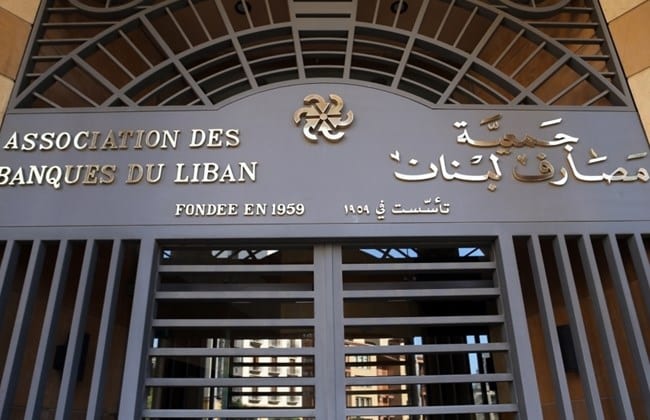
When Lebanon’s financial sector imploded, it was inevitable that the country’s elites would try to shunt those losses onto everyday Lebanese. Over several years, Lebanese bankers had gambled away their customers’ savings, leaving banks unable to meet their debts by October 2019 – if not earlier....

Pathways for Lebanese depositors to force bankers towards a fair deal.
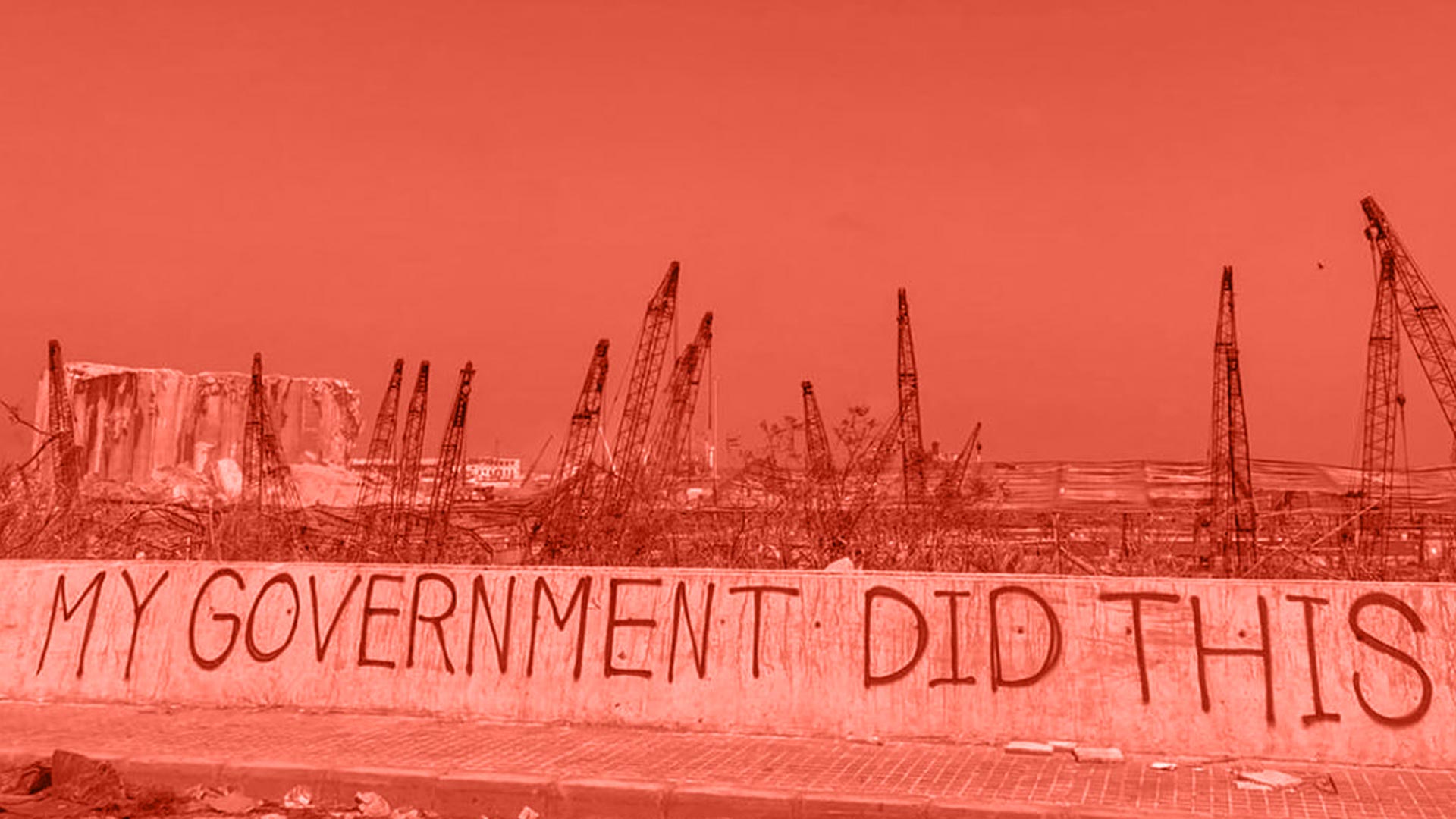
Sanctions and principled aid can pull Lebanon back from the abyss – but only by targeting the banking sector and carefully monitoring the state’s role in aid distribution

How misplaced aid, elite capture, and a devalued currency are causing crisis in the water sector.

How a clandestine plan is forcing the Lebanese people to pay for a banking crisis created by elites.

For decades, Lebanon’s economy has overwhelmingly served the interests of certain economic actors, who preside over widespread monopolies and oligopolies.

How credit unions can bring more accountability to Lebanese finance.

Defaulting on Lebanon’s foreign-held debt may have patched up the country’s financial wounds, but it has not stopped the internal bleeding.

The fight to prevent hunger amidst pandemic and recession.
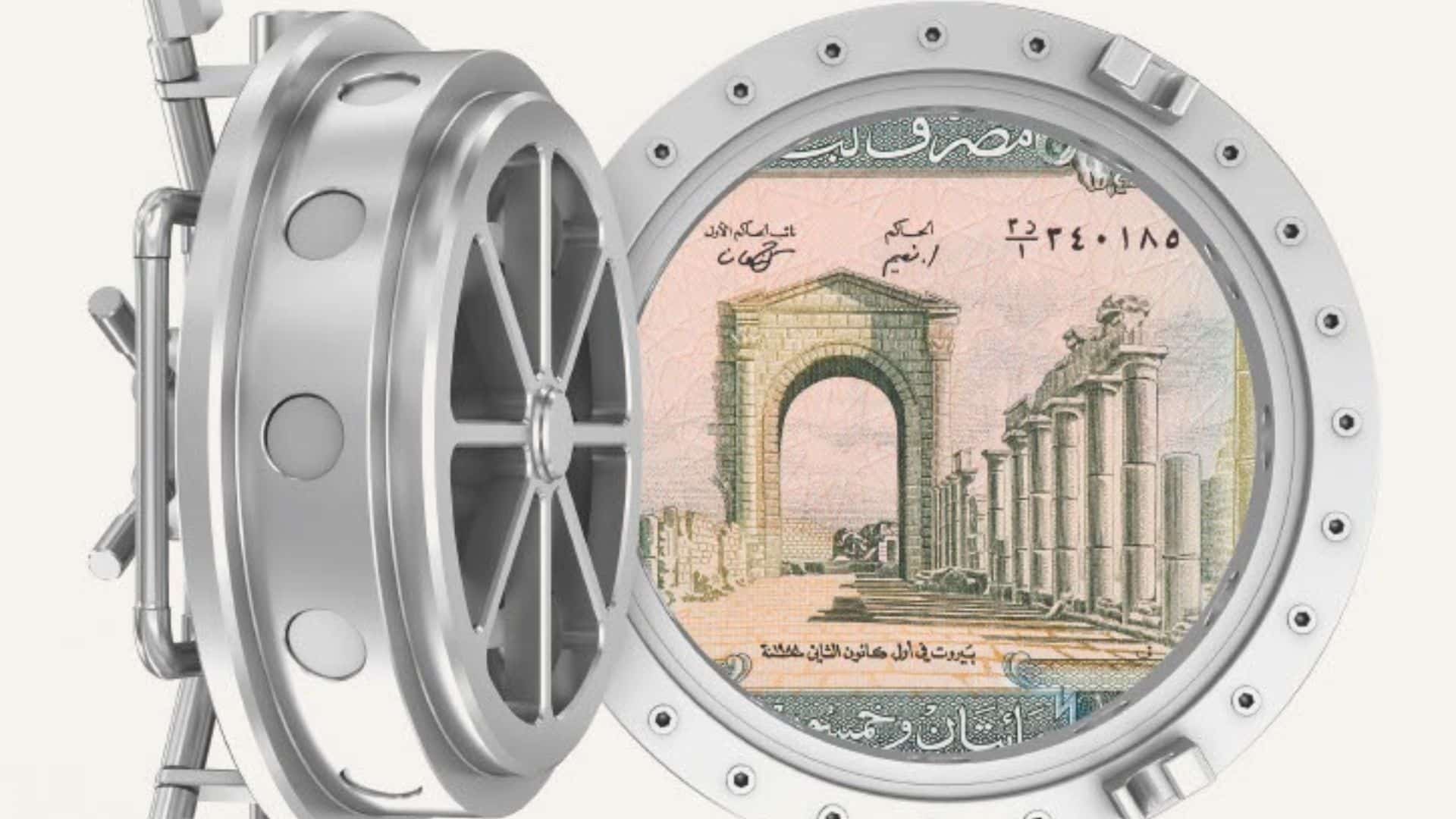
How Lebanon’s banking secrecy laws facilitate tax dodging and harm the national economy.

How Lebanon’s politicians and banks constructed a regulated ponzi scheme that ran the country’s economy into the ground.

Lebanese banks and financial companies that provide electronic money transfer (EMT) services profit off consumers through transfer fees and hidden exchange rates that are nothing less than exploitative.

Instead of continuing to support unaffordable housing prices, Lebanon’s central bank needs to lead a drive for public debt relief and remodel its stimulus packages to serve the public interest.