Flatline to Pulse: Prioritising Reform and Recovery in Lebanon’s State-Owned Enterprises
Reforming Lebanon’s state-owned enterprises is key for national recovery.

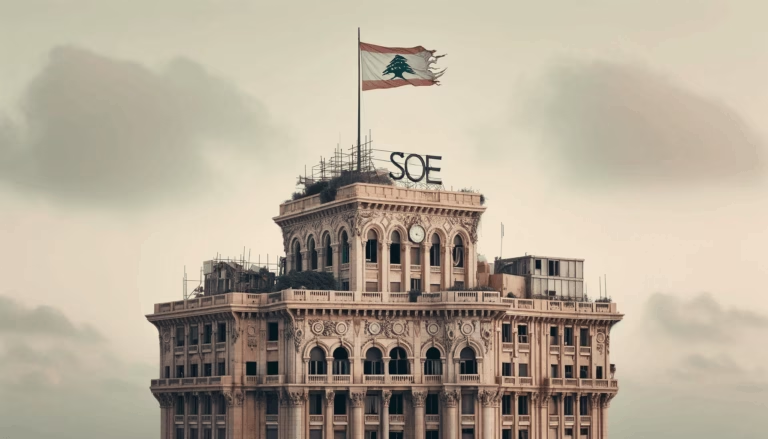
Reforming Lebanon’s state-owned enterprises is key for national recovery.

The Progressive Deposit Recovery Plan offers an opportunity for accountability and the redemption of the Lebanese people’s lifesavings

The Lebanese financial crisis, driven by fiscal mismanagement and central bank interventions, has resulted in market distortions and multiple exchange rates, worsening economic disparities.

Summary and analysis of circulars and decisions issued by the Ministry of Finance and Banque Du Liban from November to December 2022
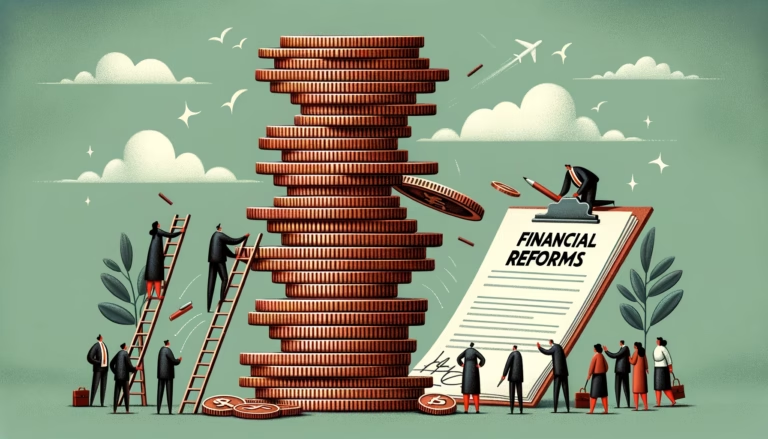
The Financial Recovery Plan appears to solve Lebanon’s financial crisis, but a closer look reveals it’s a tool to preserve elite interests at the expense of depositors’ savings.
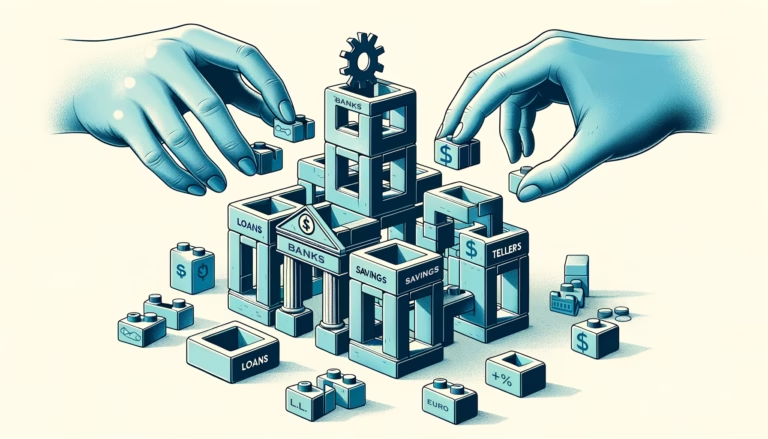
Lebanon’s draft laws aim to reshape its financial landscape, yet ambiguities may hinder complete restoration of confidence in the sector.
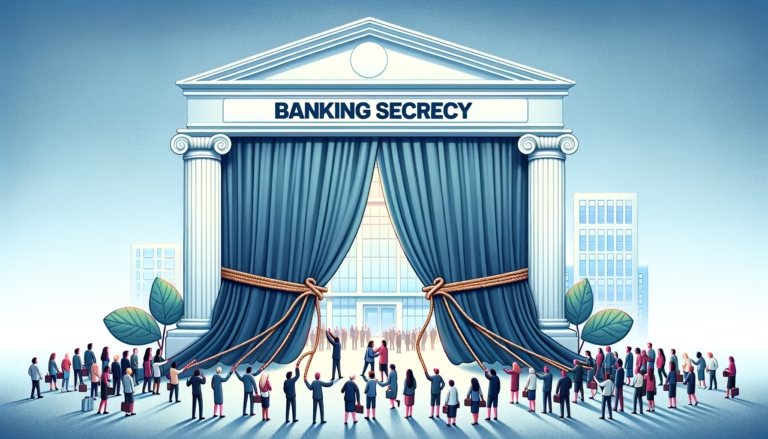
Lebanon’s updated banking secrecy law is progressing towards reform, yet riddled with ambiguities and potential for power abuse.

The MOEW’s latest renewable energy draft law faces criticism for consolidating power, with experts pushing for reforms to decentralize the sector and break the EDL monopoly.
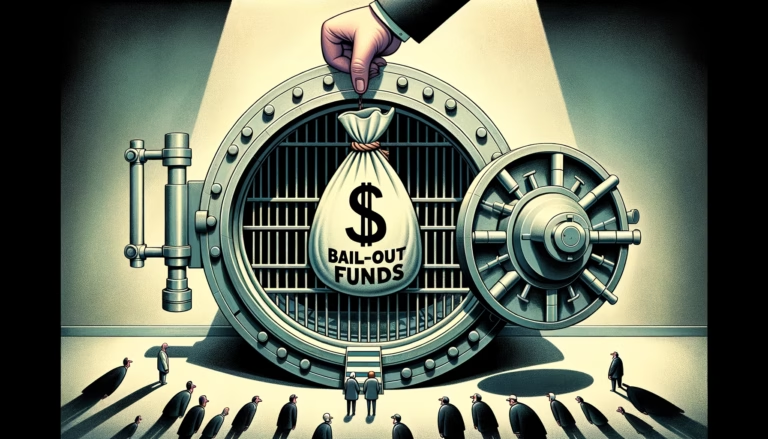
Lebanon must transition from a depositor-funded bail-out to a just bail-in, holding those responsible for the financial crisis accountable and ensuring fair loss distribution through international standards and local laws.
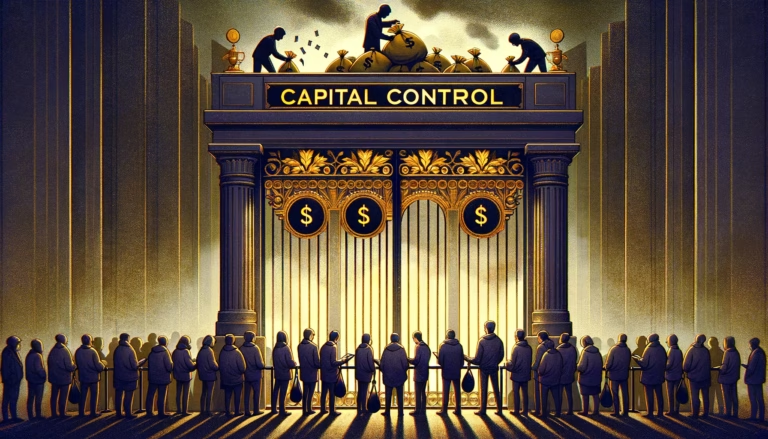
Lebanon’s capital control proposal risks entrenching financial corruption by granting banks undue amnesty and empowering a politically biased committee.