Crushed Ballot: Ending the Suppression of Lebanon’s Municipalities
Municipalities’ can reshape development and service provision in lebanon, if freed to represent their communities


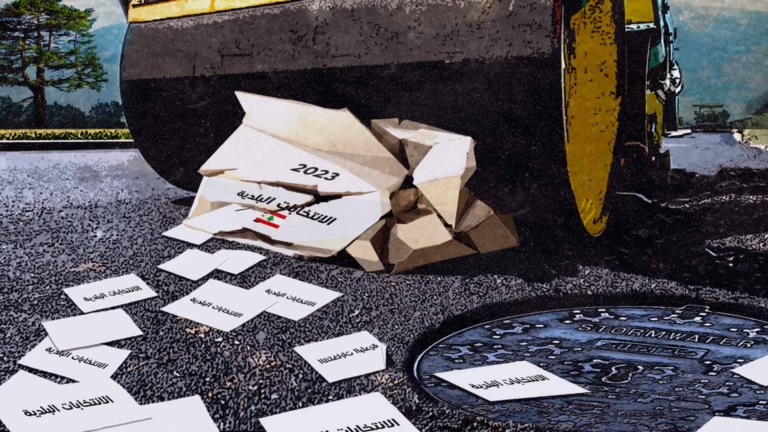
Municipalities’ can reshape development and service provision in lebanon, if freed to represent their communities

How politicians corrupted the civil service, and why now is the time for change
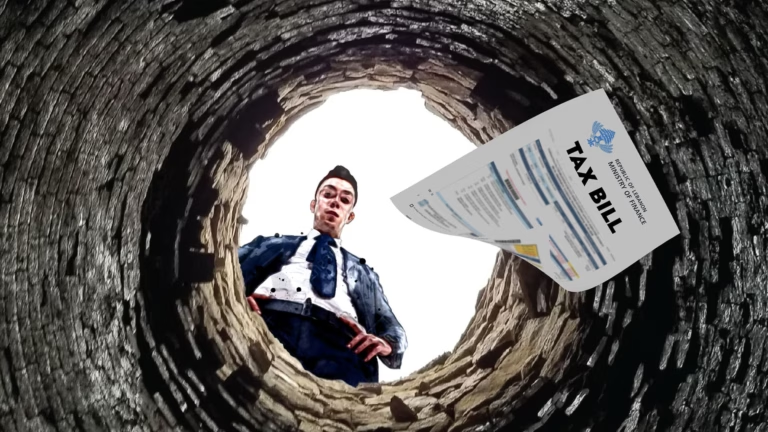
The government’s inequitable revenue structures can no longer afford to keep burdening the poor while giving a free pass to those with the means to pay their share of taxes.
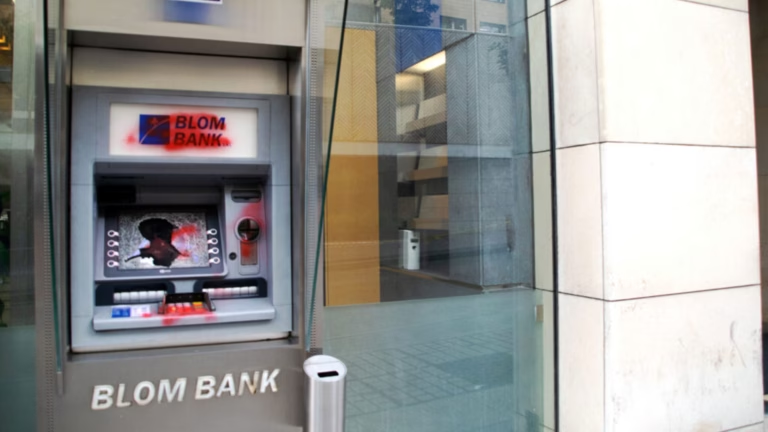
Lebanon’s bank hold ups are the result of lawlessness created by banks, not desperate depositors

A complete rethink of Lebanon’s education sector could turn crisis into opportunity

Legal loopholes and self-interested gatekeepers will likely prevent justice from running its course
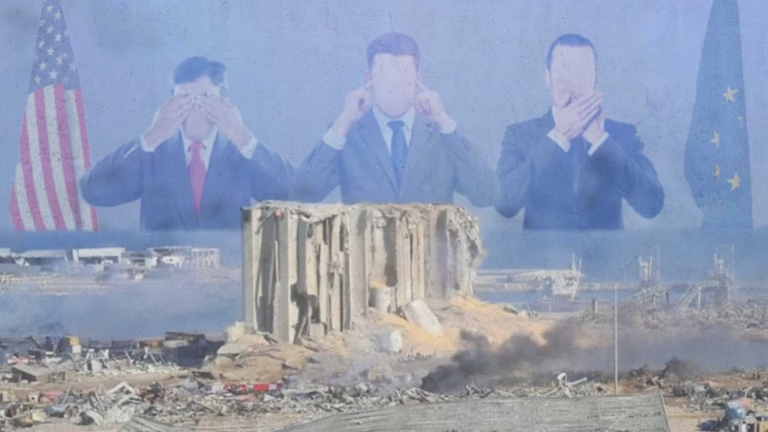
Accountability for the Beirut blast is a necessary step towards closing Lebanon’s open wounds
The ten-year contract to operate the Beirut Port’s container terminal looks to be just the beginning of collective erasure and return to the status quo.
Since 1985, the Lebanese government has made at least 13 such announcements, plans, proposals and / or studies about new public transport projects – an average of one every 2.4 years

Eliminating national oil dependence will clear out conflicts of interest
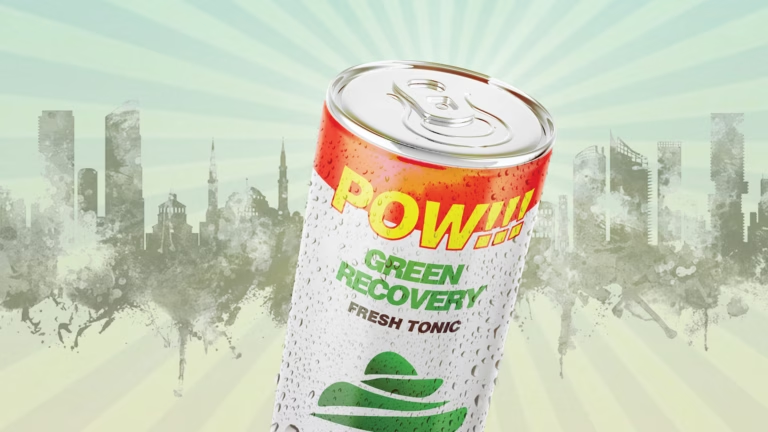
Salvation from accumulated crises can only be through sustainable consumption and production

Lebanese authorities’ persistent failure to meet the country’s energy needs has been a central symbol of state corruption and mismanagement

As Lebanon approaches another round of parliamentary elections opposition parties face old threats and new opportunities
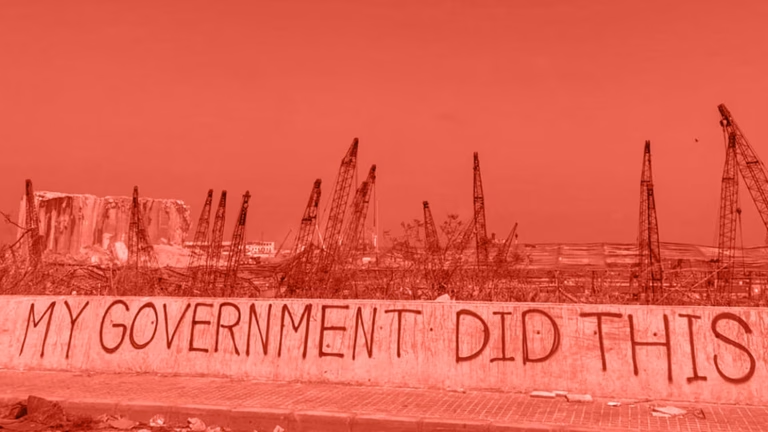
Sanctions and principled aid can pull Lebanon back from the abyss – but only by targeting the banking sector and carefully monitoring the state’s role in aid distribution

How misplaced aid, elite capture, and a devalued currency are causing crisis in the water sector